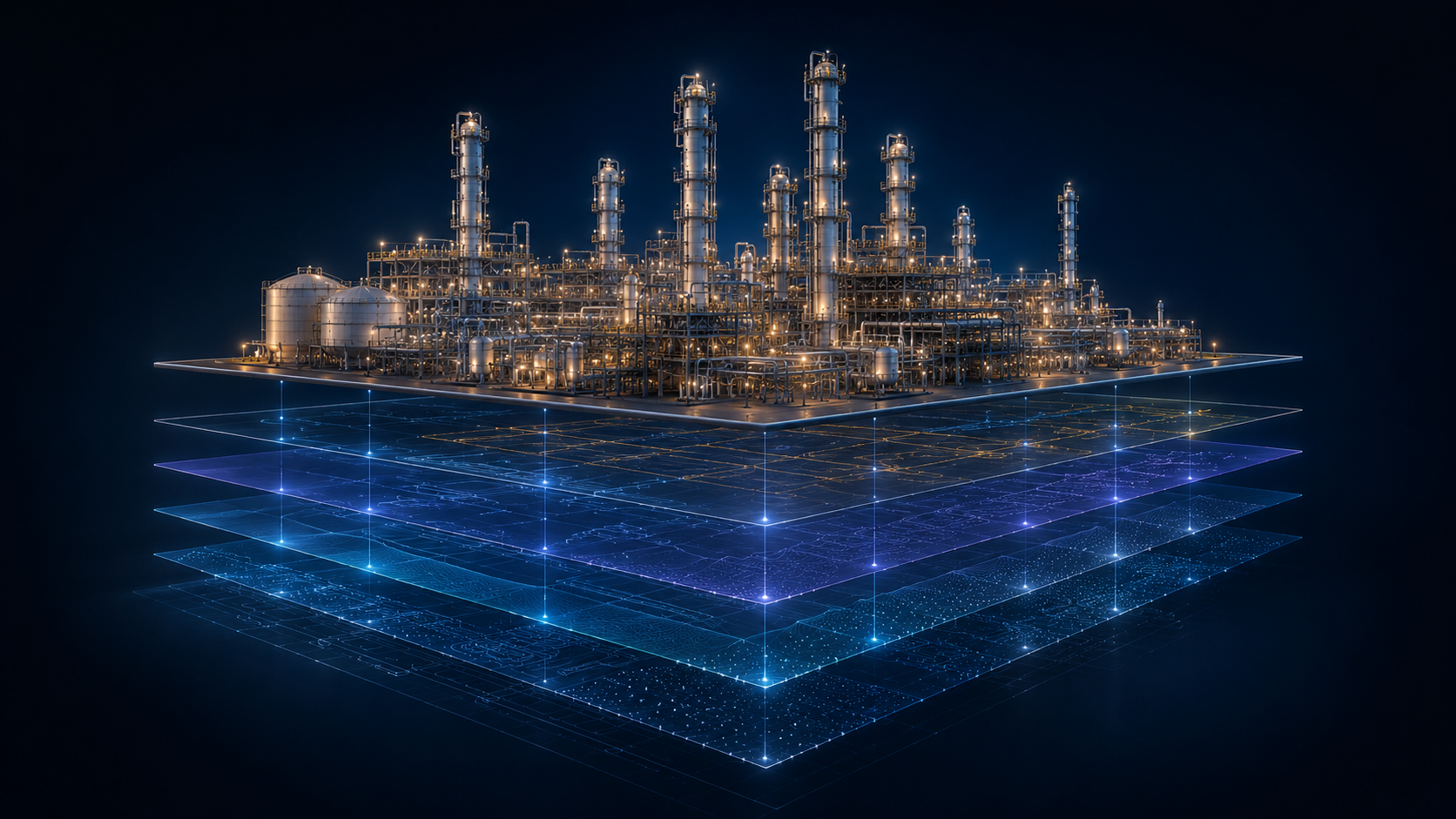
Engineering Has Advanced. Execution Has Not.
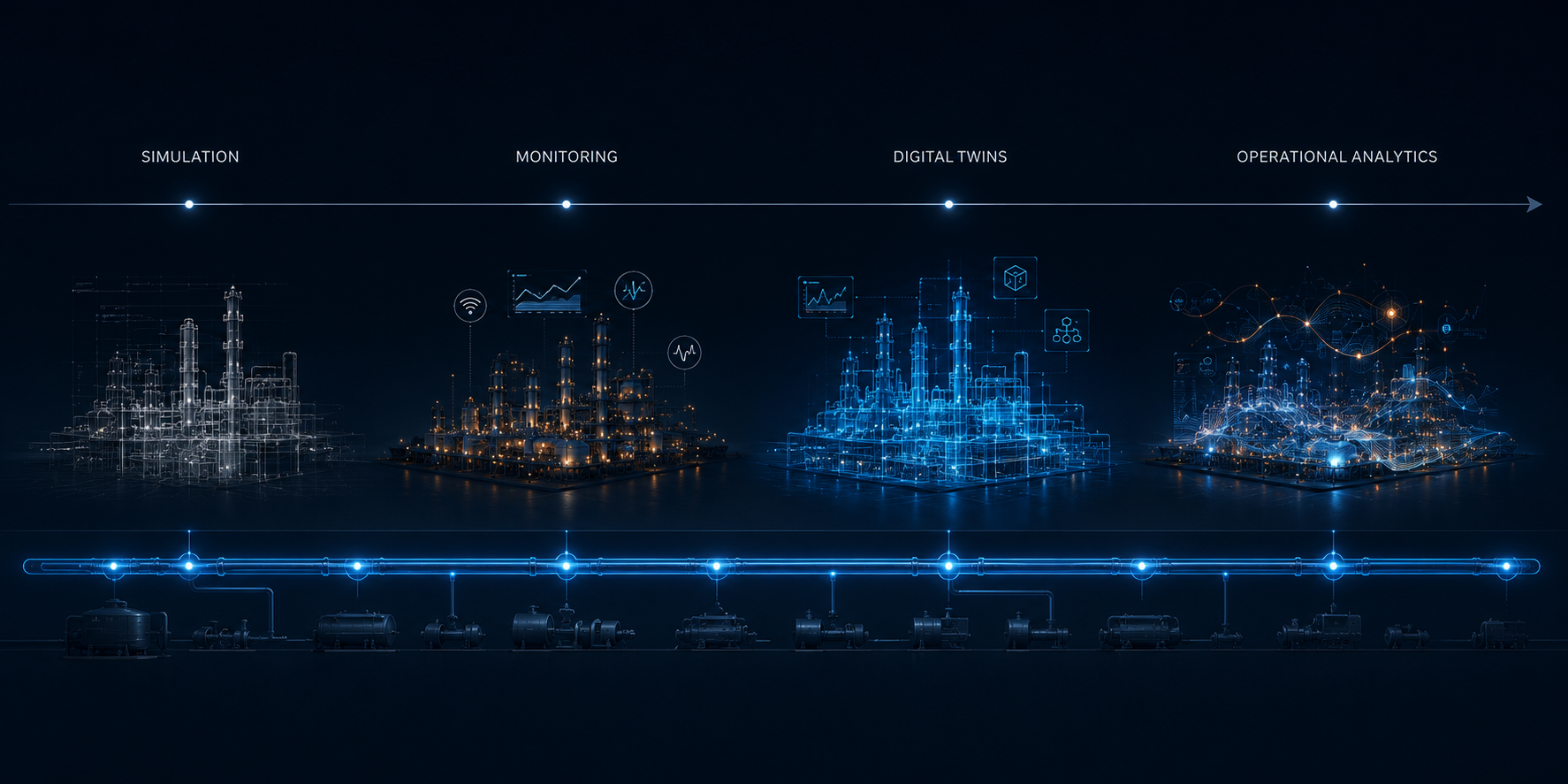
Industrial engineering has progressed enormously through improved thermodynamics, machinery modelling, process simulation, monitoring systems and operational analytics. These advances have delivered significant improvements across design, operation and asset management.
Yet many operational systems continue to rely on execution approaches developed when industrial facilities were significantly smaller and computational resources were far more limited.
As operational expectations continue to grow, the question is no longer how much more information we can generate, but whether the underlying execution model remains the most appropriate for modern industrial facilities.
Progress in engineering should be matched by progress in execution.
Execution Has Different Requirements
Engineering authoring and operational execution serve different purposes.
One is designed to describe and develop industrial facilities. The other must support efficient execution, continuous operation, changing process conditions, engineering interaction and operational decision-making.
As industrial systems become increasingly sophisticated, execution itself becomes an engineering discipline, requiring representations designed specifically for runtime rather than simply reusing engineering structures.
Authoring describes the facility. Execution brings it to life.
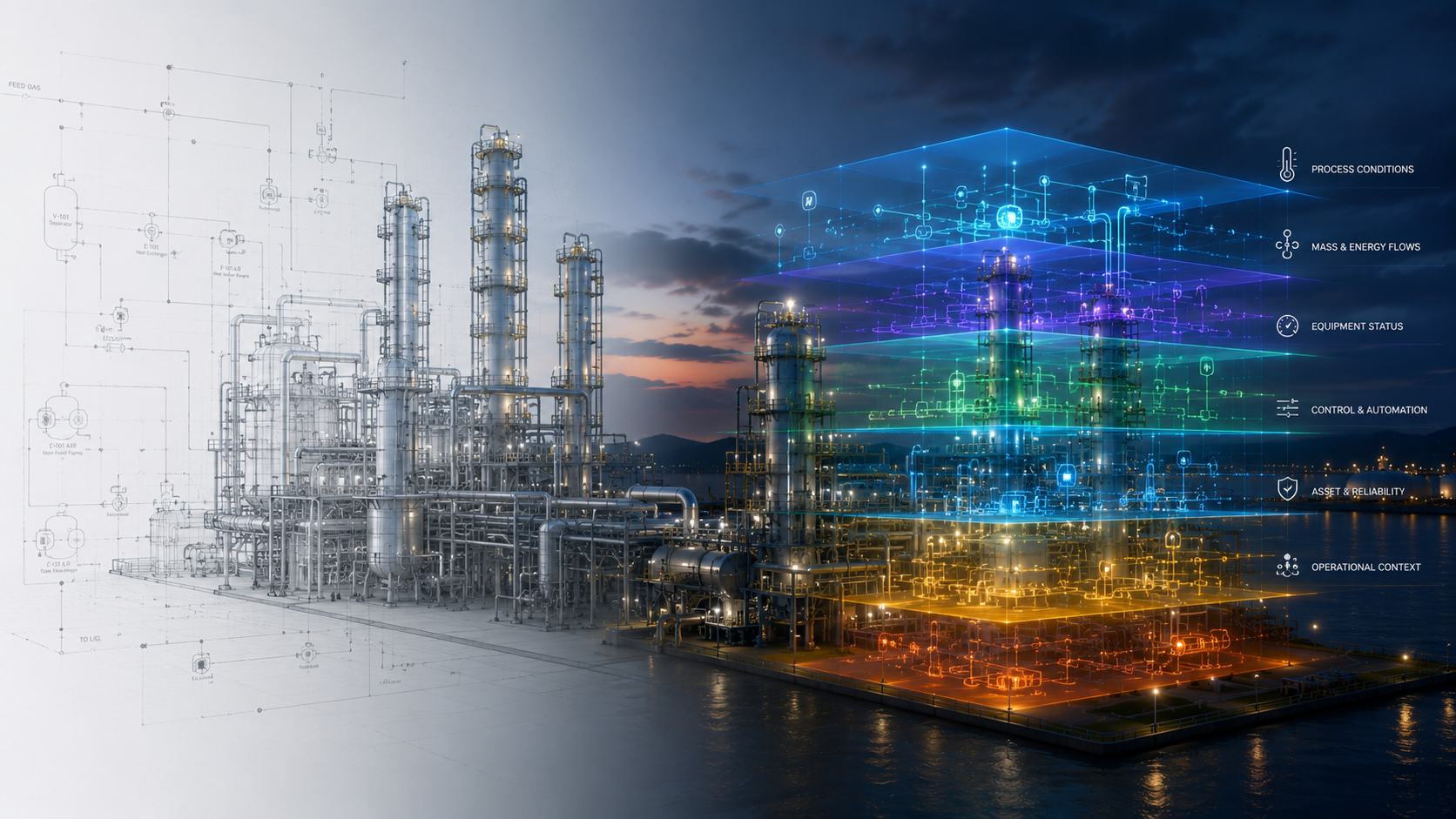
Representation Shapes Execution
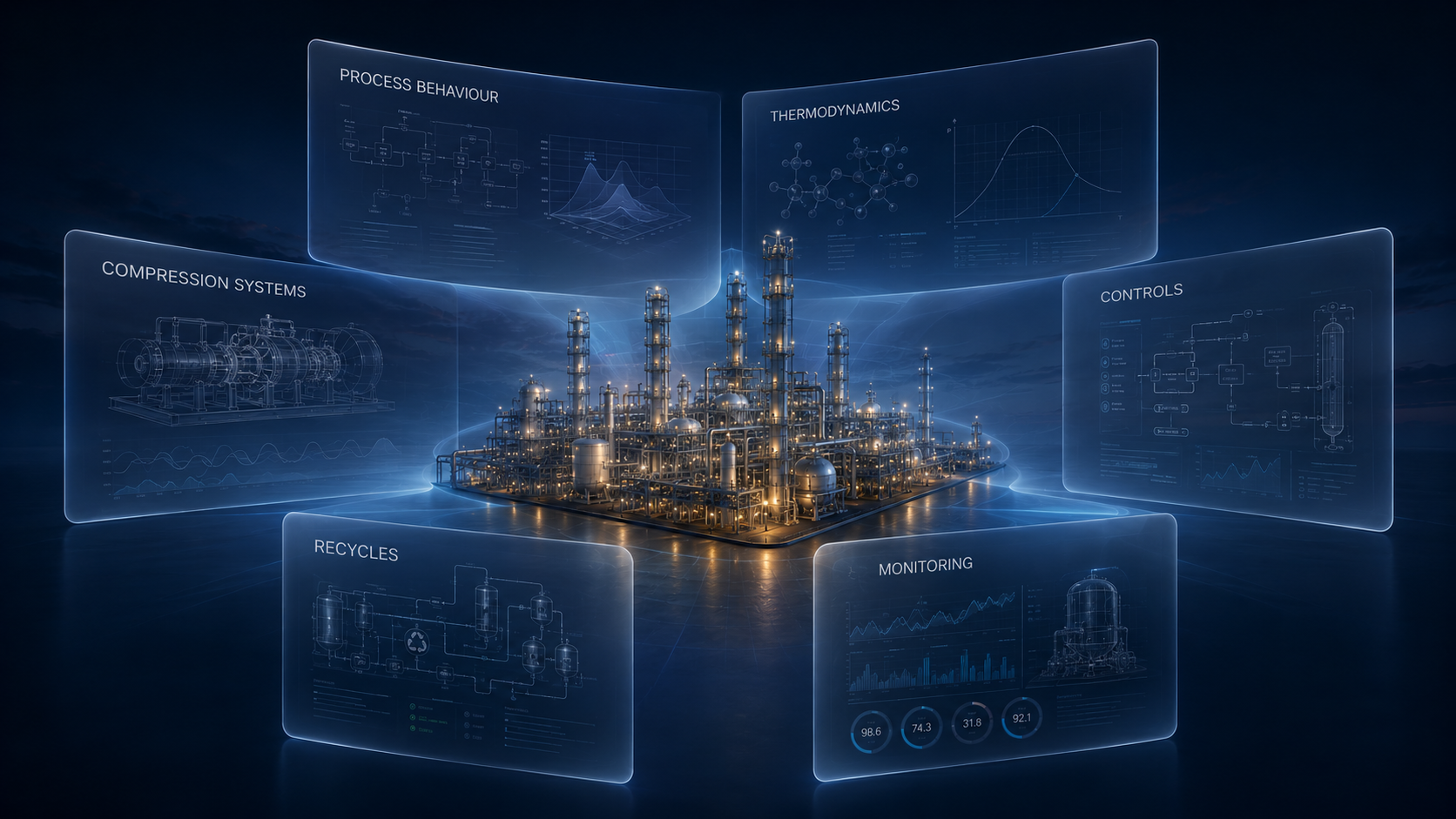
Industrial facilities continuously combine process behaviour, thermodynamics, compression systems, controls, operational constraints and recycle behaviour.
Representing these interactions requires more than connecting engineering calculations. It requires an execution environment capable of recognising how different engineering disciplines influence one another throughout plant operation.
As industrial facilities become increasingly integrated, the way they are represented at runtime becomes just as important as the engineering calculations they perform.
Better execution begins with better representation.
A New Generation of Operational Systems
As industrial facilities continue to evolve, operational systems will increasingly be expected to support engineering, monitoring, optimisation and future intelligent assistance within the same operational environment.
Achieving this requires execution architectures designed for modern operational systems rather than simply extending approaches developed for a different generation of industrial software.
The opportunity is not simply to improve today's systems, but to rethink the principles on which tomorrow's operational systems are built.
Tomorrow's operational systems begin with a different way of thinking about execution.
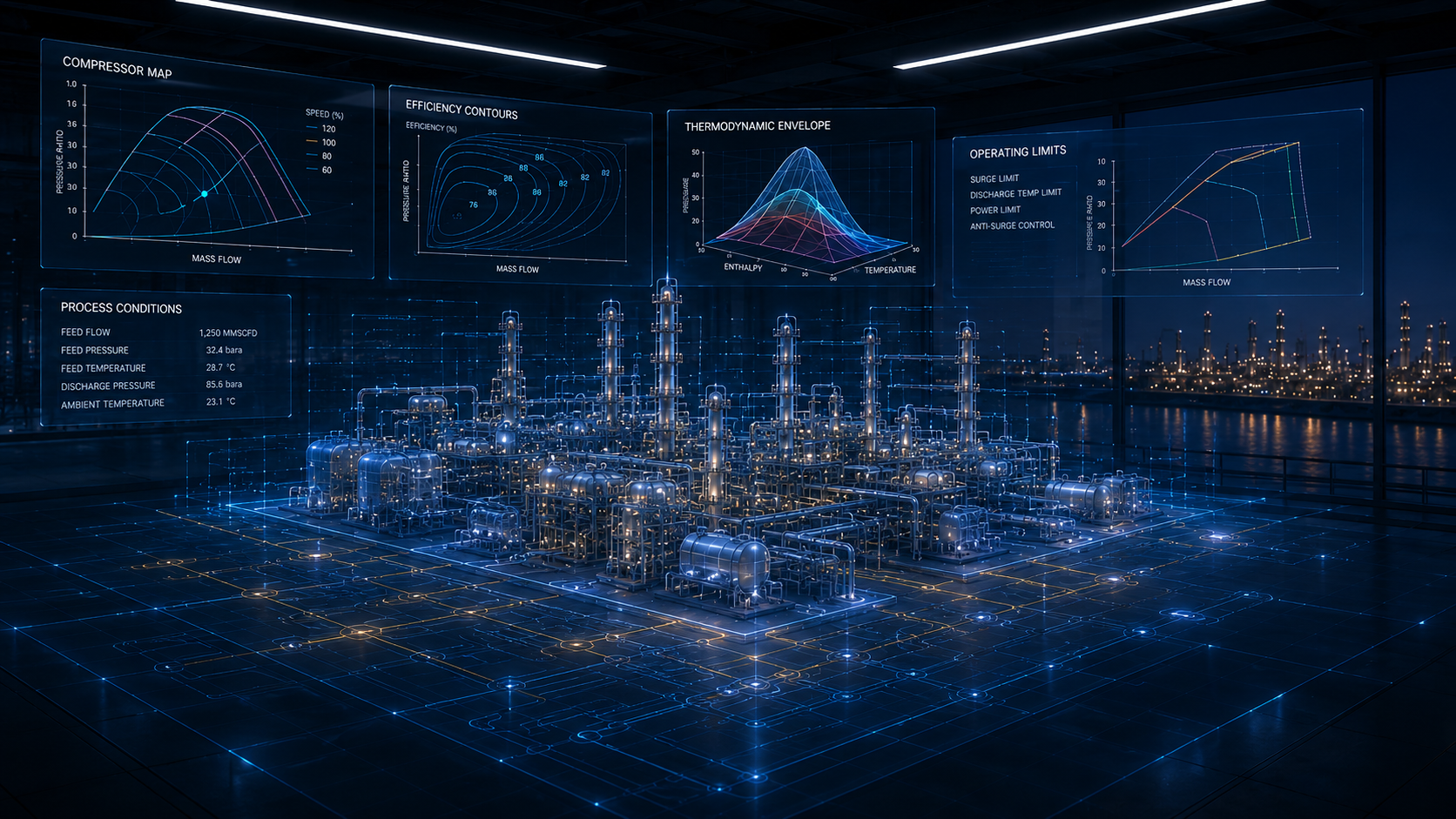
Building the Next Generation of Plant Execution
At Simulytica, we believe industrial facilities deserve execution environments designed for modern engineering and operational requirements.
Our approach separates engineering authoring from operational execution, creating the opportunity for more scalable execution, coordinated engineering behaviour and future operational capabilities while preserving the engineering workflows familiar to industry.
The result is an operational platform designed not only for today's facilities, but for the next generation of industrial operation.
The future of industrial software begins by rethinking how industrial facilities execute.